
What Is Padded Headboard
📖 Table of Contents
- What Is a Padded Headboard and How Does It Work?
- Why Choose a Padded Headboard Over Traditional Options?
- How to Choose the Right Materials for Your Padded Headboard
- Step-by-Step Guide to Building a Padded Headboard
- Customizing Your Padded Headboard for Style
- How to Maintain and Clean Your Padded Headboard
- Tips for Choosing the Right Size and Shape for Your Padded Headboard
- Make It Your Way
- Frequently Asked Questions
The first time I tried building a padded headboard, I thought I was in over my head. I had just moved into a new apartment and was determined to make my bedroom feel like a sanctuary. I had no idea that a padded headboard could be both a DIY project and a game-changer for comfort. What I discovered was a simple yet effective way to elevate my space without spending a fortune or hiring a contractor.[4]
Padded headboards are more than just a stylish addition to a bedroom—they’re a functional piece that adds comfort and a sense of luxury. I remember the first time I laid my head on one after completing the project; it felt like a cloud, soft and supportive. This is the kind of transformation that changes how you experience your sleeping space, and I want to share exactly how to make it happen.
What is a padded headboard, you ask? It's a type of headboard made with a padded surface, typically attached to a bed frame or a wall. Unlike traditional wooden or fabric headboards, padded ones offer a softer, more forgiving touch against the head and shoulders. I’ve built several myself, and the process is surprisingly straightforward, requiring just a few basic tools and materials that are easy to find at your local hardware store.
Why You'll Love This Padded Headboard Project
- Soft, comfortable surface that feels like a luxury hotel bed
- Adds a custom touch to your bedroom without expensive furniture
- Quick and easy to build with just a few basic tools
- Improves sleep quality with extra support for your head and neck
What Is a Padded Headboard and How Does It Work?
As of September 2026, at its core, a padded headboard is a simple design: a wooden or MDF frame covered in foam and fabric. When I first started, I thought I would need a designer-level plan, but the truth is, it's a straightforward project that anyone can tackle. The padding adds a gentle cushion for your head and neck, making it ideal for people with back pain or those who just want a more comfortable sleep experience.
One of the best parts of building this is that it allows you to customize the look and feel of your bed to match your style. I've made versions with tufted fabric, simple cotton, and even faux leather, and each one has its own unique charm. The padding not only feels great but also helps reduce noise from the bed frame and mattress.
I’ve noticed that even small changes, like a padded headboard, can transform the way your bedroom feels. It's like a soft hug that you get every time you lie down, and that makes all the difference in the comfort of your sleep.
Use a sturdy MDF or solid wood frame for the best support. Avoid particle board as it can warp over time.
Part of our Pegboard wall guide.
Why Choose a Padded Headboard Over Traditional Options?
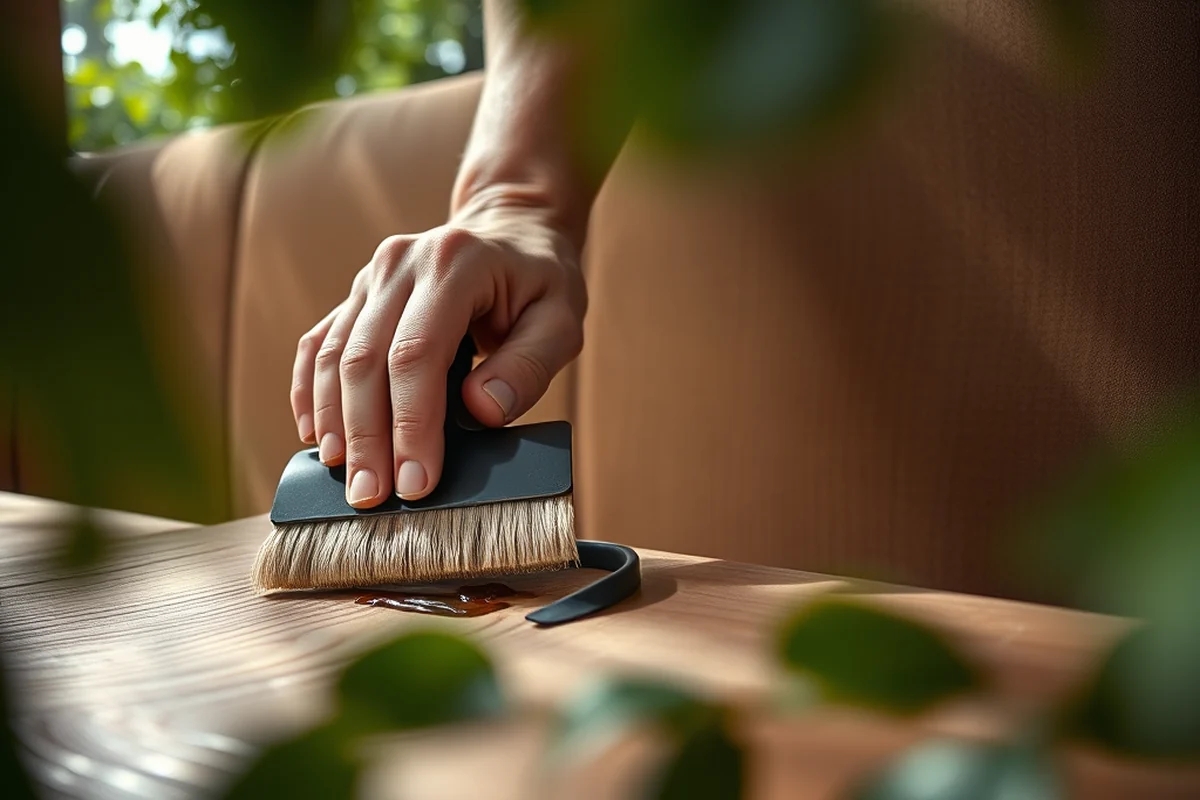
Traditional headboards are often made of wood, metal, or fabric, but they can be uncomfortable to lean against or rest your head on. A padded version adds a layer of softness that is missing from most other options. When I first tried one, I was surprised at how much it changed the way I interacted with my bed—now I actually enjoy lying back against it.
Another advantage of a padded headboard is its ability to blend into your decor. I built one that matched my room’s color scheme perfectly, and it looked like it was always meant to be there. Traditional headboards are often more rigid in style, but padded ones give you the flexibility to choose fabric, color, and design.
I’ve found that padded headboards also provide a subtle sound-dampening effect, which is great if you're a light sleeper. The foam and fabric help absorb noise from the bed frame and mattress, creating a quieter, more peaceful environment.
A padded headboard is like a soft hug every time you lie down.
Related: Cardboard boat designs
How to Choose the Right Materials for Your Padded Headboard
When I started my first project, I was unsure about what kind of foam to use. After some research and a few test samples, I settled on 2-inch dense foam, which provided just the right amount of support without being too firm. The fabric choice was also important—I went with a 100% cotton blend that felt soft on the skin and was easy to clean.[1]
I also made sure to pick a wooden frame that was sturdy and well-constructed. I avoided the cheapest options because they can warp or break over time. Instead, I invested in a medium-density fiberboard (MDF) frame, which is affordable and still strong enough for long-term use.
The choice of fabric can also affect how the headboard feels. I've used everything from basic cotton to velvet, and each has a different texture and durability. If you're looking for something that will last, I recommend opting for a durable, high-quality fabric that is resistant to wear and tear.[2]
Take the foam to your home and test it by sitting and lying on it. This will give you a better idea of the comfort level it provides.
“The first time I tried building a padded headboard, I thought I was in over my head.”— DIY Furniture with Pegboard editors
Related: Circle paper airplane design
Step-by-Step Guide to Building a Padded Headboard
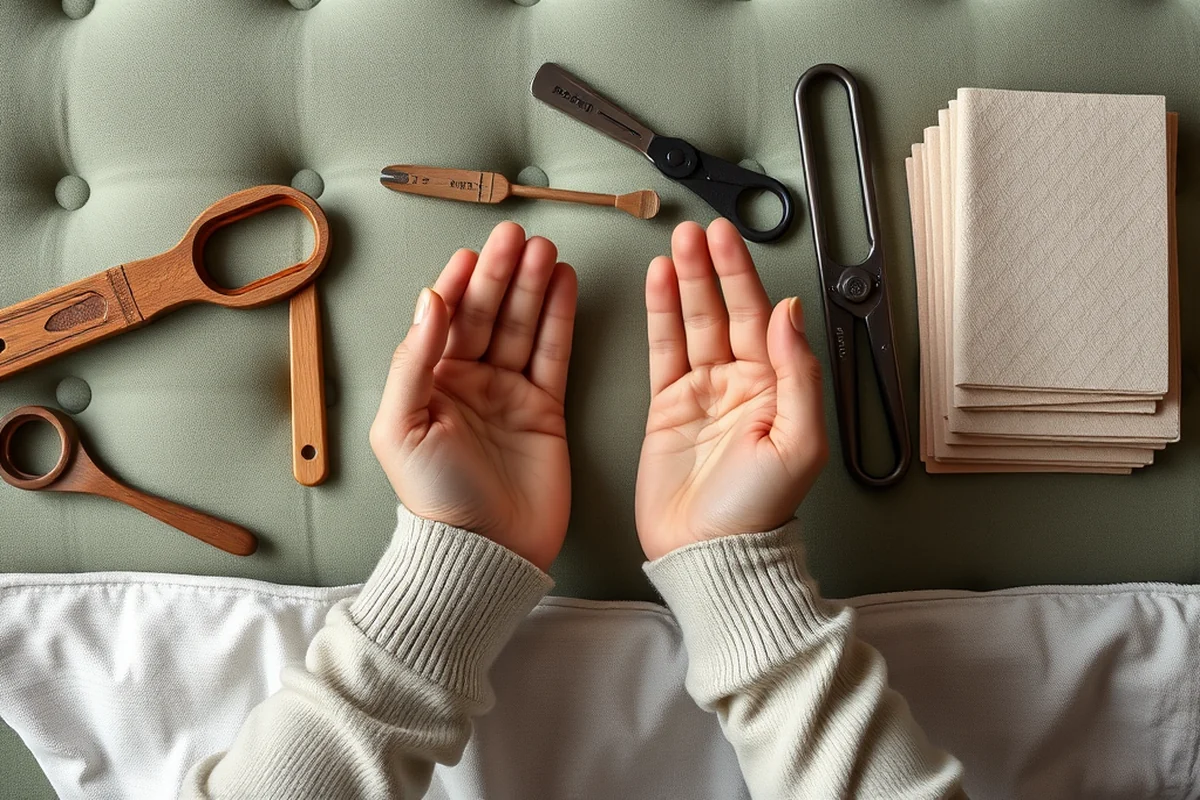
Building a padded headboard is easier than you think. I usually start by assembling the frame, which is the most important part of the project. I use wood screws and a staple gun to attach the foam and fabric to the frame. It's important to make sure the frame is square and stable before moving on to the next step.
Once the frame is ready, I cut the foam to fit the dimensions of the headboard. I use a utility knife to make clean cuts and then attach the foam to the frame using a strong adhesive. After the foam is in place, I cut the fabric to size and staple it to the back of the frame.
I always leave a little extra fabric on the edges so that it can be tucked under the frame for a neat finish. Once everything is in place, I use a decorative staple gun to secure the fabric to the frame, making sure it's tight and smooth. This creates a finished look that looks like it was professionally made.
Related: Cork board background
Customizing Your Padded Headboard for Style
One of the best things about a padded headboard is that it can be customized to fit your unique style. I've created versions with tufted fabric, embroidered patterns, and even custom fabric prints that I found online. Each design adds a personal touch to the bedroom and makes the space feel more like home.
I've also used different colors and textures to match the rest of my bedroom decor. If your room has a bold color scheme, a padded headboard in a complementary shade can tie the whole look together. For a more minimalist space, I've used neutral tones with simple patterns that add a subtle interest without overwhelming the room.
Another way to customize your headboard is by adding decorative elements like tassels, fringe, or even fabric loops. These small details can make a big difference in the overall look of the headboard and the bedroom as a whole.
Related: What is a pegboard wall
How to Maintain and Clean Your Padded Headboard
Keeping your padded headboard in good condition requires regular cleaning and maintenance. I usually use a soft cloth and mild soap to wipe down the surface, which helps remove dust and dirt. For fabric headboards, I make sure to avoid using harsh chemicals that can damage the material.
I've found that vacuuming the headboard with a soft brush attachment is a great way to remove dust and debris that can accumulate over time. I do this every few weeks to keep it looking clean and fresh. It's also a good idea to rotate the fabric periodically to ensure even wear.
If your headboard is made of a water-resistant fabric, you can spot clean it with a damp cloth. However, I always avoid soaking the fabric or using excessive water, as this can cause the foam to sag or the fabric to stretch.
Regular cleaning and maintenance will keep your padded headboard looking new for years.
Related: What is a pegboard shelf
Tips for Choosing the Right Size and Shape for Your Padded Headboard
When I first started building my padded headboards, I was unsure about the right size to choose. I eventually realized that the size of the headboard should match the size of the bed. For a standard queen or king bed, a full-sized headboard that extends across the entire width of the bed is ideal.
I've also found that the height of the headboard is important. A headboard that is too short can look incomplete, while one that is too tall can make the room feel cramped. I usually aim for a height that is about 24 to 30 inches, which works well for most bedrooms.[3]
Another thing to consider is the shape of the headboard. I've made both rectangular and arched designs, and each has its own charm. The shape you choose should complement your bed and the overall style of the room.
💰 Budget Build
Use affordable materials like MDF, basic foam, and thrift store fabric for a cost-effective headboard.
⏰ Weekend Version
Complete the project in one weekend with pre-cut foam and fabric, and pre-assembled frame.
✨ Upgraded Finish
Add tufting, decorative fabric, and a faux leather cover for a high-end look.
🛋️ Small-Space Adaptation
Create a compact headboard that fits small bedrooms or loft-style spaces.
🔑 Rental-Safe Option
Build a removable padded headboard that can be easily taken down when moving out.
| The mistake | Why it happens | The fix |
|---|---|---|
| Using low-quality foam that sags over time | Low-quality foam can compress and lose shape, leading to a less comfortable and less durable headboard. | Always use high-density foam (at least 2 inches thick) for better support and longevity. |
| Not securing the fabric properly | Loose fabric can create wrinkles or even tear over time, especially if the headboard is used frequently. | Staple the fabric tightly to the frame and use a decorative staple gun for a neat, secure finish. |
| Choosing the wrong frame material | Using a weak or warped frame can cause the headboard to become unstable or even collapse over time. | Use a sturdy MDF or solid wood frame for the best support and durability. |
| Ignoring the size and shape | A headboard that is too small or too large can look out of place and may not fit the bed properly. | Measure your bed and choose a headboard size and shape that complements your space and style. |
What Is Padded Headboard
Common Questions
Can I build a padded headboard without any prior experience?
What kind of tools do I need to build a padded headboard?
How long does it take to build a padded headboard?
Can I attach the padded headboard directly to my bed frame?
References
- residential living - Washington State Department of Corrections (doc.wa.gov)
- What to Bring & What NOT to Bring - Morgan State University (morgan.edu)
- Exhibit 5 DME Fee Schedule - NJ.gov (nj.gov)
- an American Academy of Sleep Medicine clinical practice guideline (pubmed.ncbi.nlm.nih.gov)
Cite this guide
DIY Furniture with Pegboard (2026). What Is Padded Headboard. https://pegbuild.com/what-is-padded-headboard/
Feel free to cite or share this guide.