
How To Make Zoodles
📖 Table of Contents
The first time I made zoodles, I was standing in my kitchen with a pasta spiralizer and a head full of questions. I had heard about zucchini noodles as a low-carb alternative to traditional pasta, but I had no idea how to make them without ending up with a pile of mushy, unappetizing noodles. It took me a few attempts, some trial and error, and a few key adjustments to get it right. But once I did, I realized how easy and satisfying the process could be — and how much better zoodles tasted than I ever imagined.[3]
I remember the first batch I made. I had bought a spiralizer, thinking it would be a quick solution to my pasta cravings. But the noodles came out too long and too delicate, and I barely got them to the table before they started to fall apart. That's when I realized I needed to think about the process more carefully. I started experimenting with different zucchini varieties, tried slicing the ends off, and even played with the speed of the spiralizer. After a few more attempts, I had a batch that was sturdy enough to hold up to sauce and didn’t turn into a soggy mess.[4]
Since then, I've made zoodles at least once a week, and every time I do, it's a chance to get creative with how I prepare them. Whether I'm making them for dinner, using them in a salad, or even turning them into a side dish, the process is always rewarding. Making zoodles at home is not only easier than I ever thought it would be. It's also a great way to feel in control of what I'm eating — and to have a fun, hands-on kitchen experience that's worth the effort.
Why You'll Love This Zoodle Project
- A fun, creative way to use your spiralizer and experiment with healthy, low-carb alternatives.
- Perfect for those who want to cut down on carbs but still enjoy a pasta-like dish.
- Easy to customize with your favorite sauces, herbs, and toppings.
- A great project for beginners or anyone who wants to expand their kitchen skills.
Choosing the Right Zucchini
As of September 2026, not all zucchinis are created equal with spiralizing. I found that smaller, younger zucchinis tend to work best — they’re more tender and less fibrous, which makes for smoother, more uniform noodles. Larger, older zucchinis can be tougher and may end up with a stringy texture that's harder to work with.
I usually pick zucchinis that are about 6 to 8 inches long and have a uniform color. The ones with a slight yellow tint are often the sweetest and most flavorful. I also avoid any zucchinis that feel overly soft or squishy, as those can be too watery and make the noodles more prone to breaking.
If you're buying zucchinis in bulk, I recommend storing them in the fridge in a paper towel-lined container to keep them fresh. I’ve found that storing them upright helps them last longer and keeps them from getting bruised or squashed.[1]
Choose small, firm zucchinis with uniform color for the best spiralizing results. Store them upright in the fridge to keep them fresh.
Preparing the Zucchini for Spiralizing
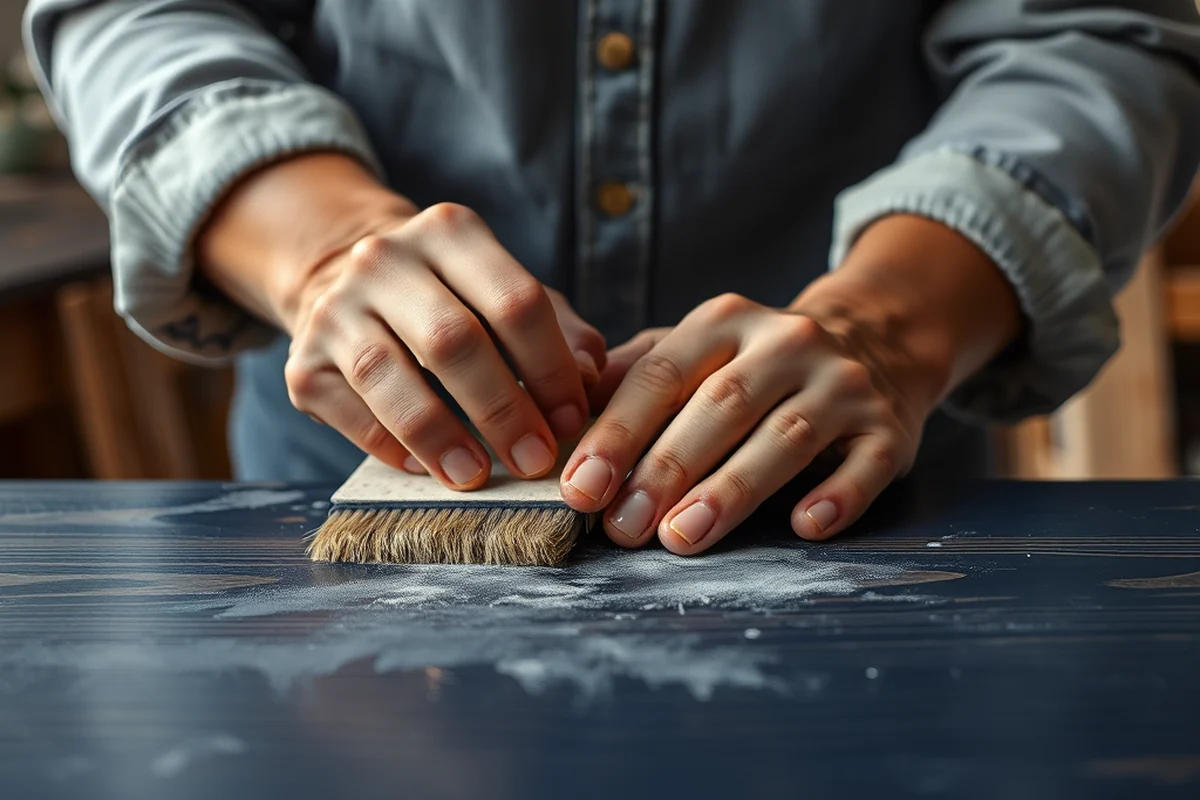
Before spiralizing, I always start by washing the zucchini thoroughly and patting it dry. Any excess moisture can make the noodles more delicate and cause them to fall apart when you handle them.
I also make sure to remove the ends of the zucchini. This is important because the ends can be tougher and more fibrous, which can make the spiralizer work harder and produce uneven noodles. I’ve found that trimming the ends with a sharp knife gives the best results.
I’ve also discovered that peeling the zucchini can make a big difference. While some people skip this step, I’ve found that peeling the zucchini gives the noodles a smoother texture and makes them easier to cook. I use a vegetable peeler and work my way down the sides, leaving the ends intact.
Trim the ends, peel the zucchini, and you're halfway to perfect zoodles.
Related: What to make a paper airplane
Spiralizing Techniques and Tips
I’ve tried a few different spiralizers over the years, and the one that works best for me is the hand-crank model. It gives me more control over how thick or thin I want the noodles to be, and it's easy to adjust as I go. I've also found that using a motorized spiralizer can be faster, but I find the hand-crank version gives me the best results with the least amount of mess.
When spiralizing, I always start with the thickest setting. I’ve found that starting with a thicker setting gives me more structure to work with and makes it easier to adjust as needed. I also make sure to hold the zucchini firmly in place and apply even pressure to get consistent results.
One of the biggest mistakes I made early on was trying to spiralize a whole zucchini at once. I discovered that cutting the zucchini into halves or quarters first makes it easier to handle and gives the spiralizer more room to work with. It also helps distribute the pressure more evenly, which leads to better results.
Begin with the thickest setting on your spiralizer and adjust as needed. Cutting the zucchini into pieces first makes spiralizing easier and more efficient.
“The first time I made zoodles, I was standing in my kitchen with a pasta spiralizer and a head full of questions.”— DIY Furniture with Pegboard editors
Related: What tools do you need to make wood furniture
Cooking Your Zoodles
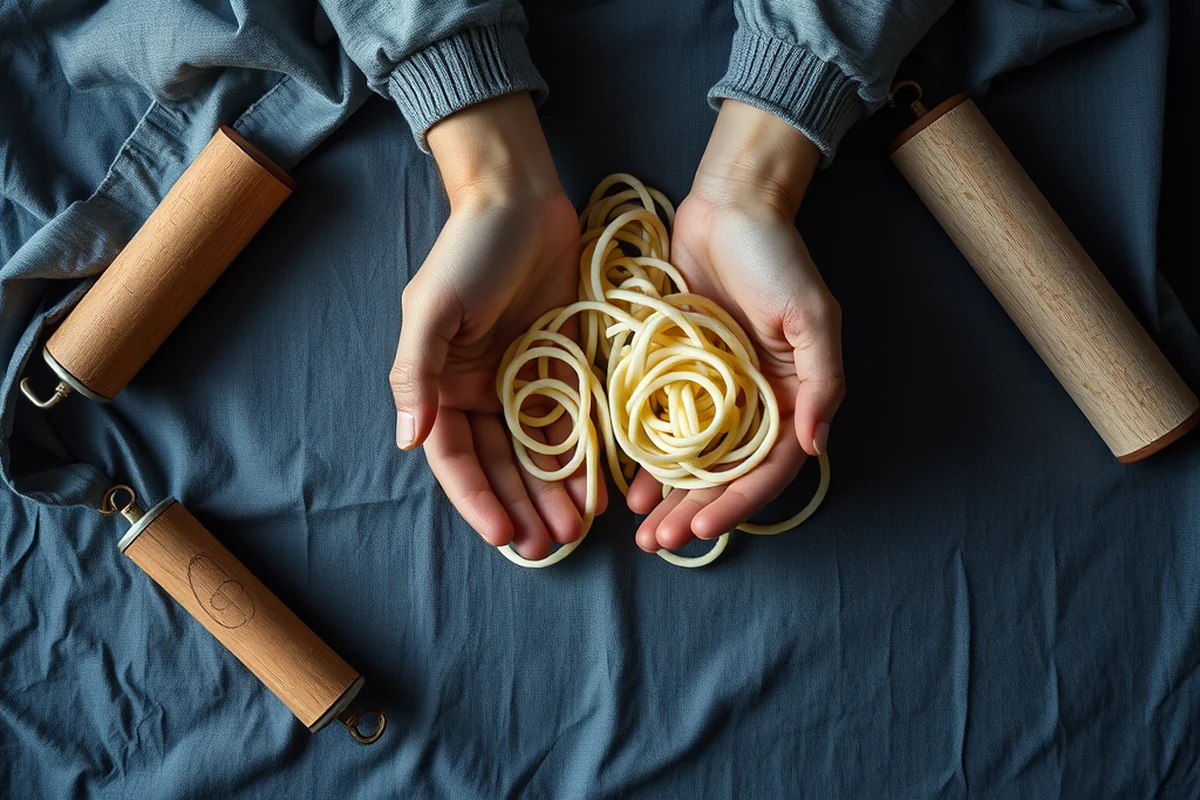
Once the zoodles are spiralized, the next step is to cook them. I’ve tried several methods, but the one that works best for me is sautéing them in a pan with a bit of olive oil. This helps to remove any excess moisture and gives the noodles a nice, slightly golden texture.
When I sauté, I usually start with a medium-high heat and add the zoodles in a single layer. I let them cook for about 2 to 3 minutes, stirring occasionally, until they start to soften. I’ve found that overcooking can lead to mushy noodles, so it's important to keep a close eye on them.
Another method I've tried is steaming the zoodles for a few minutes. This gives them a softer texture and helps preserve more of their natural flavor. I’ve found that this works well when I want to use the zoodles in a salad or as a side dish. I prefer the sautéed method when I want a more robust texture.
Related: What basic tools do i need for woodworking
Storing and Reheating Zoodles
If you're not using your zoodles right away, I recommend storing them in an airtight container in the fridge. I’ve found that they last about 2 to 3 days, but I always check them before using to make sure they haven’t gotten too soft or watery.[2]
When reheating, I prefer to do it gently. I usually warm them up in a pan with a bit of oil or in the microwave, but I avoid using the microwave for too long, as it can make them too soft. I’ve found that reheating them in the oven at a low temperature can also be a good option.
One thing I’ve learned is that zoodles don’t store well if they're wet. I always make sure to pat them dry before storing them in the fridge. I’ve also found that storing them in layers with paper towels helps absorb any excess moisture and keeps them from getting soggy.
Related: How to make a paper boat easy
Customizing Your Zoodles
One of the best things about zoodles is how versatile they are. I’ve experimented with different sauces, toppings, and even different cooking methods. Some of my favorite combinations include a light pesto sauce, a garlic and herb dressing, or a simple olive oil and lemon vinaigrette.
Another thing I love about zoodles is how easy they are to customize for different meals. I can make them as a main dish, a side, or even a topping for something like a grilled chicken or fish. I've found that the possibilities are endless, and it's a great way to get creative in the kitchen.
Zoodles are a canvas — customize them with your favorite flavors and ingredients.
Related: How to draw a paper airplane
Troubleshooting Common Issues
One of the most common problems I've encountered is zoodles that turn out too mushy. This usually happens when they're overcooked or when they're too wet. I’ve found that sautéing them for a short time and patting them dry before cooking helps prevent this issue.
Another common problem is zoodles that are too dry and crispy. I've found that this happens when they're cooked too long or when they're not cooked properly. I always make sure to keep an eye on the cooking time and adjust it as needed to get the right texture.
I've also had issues with zoodles that are too stringy or fibrous. This can happen when using older zucchinis or when not trimming the ends properly. I’ve learned that using younger zucchinis and trimming the ends before spiralizing helps avoid this issue.
💰 Budget Build Zoodles
Use a hand-crank spiralizer and store-bought zucchini for a low-cost zoodle experience.
⏳ Weekend Zoodle Challenge
Perfect for a quick, hands-on project that can be completed in one afternoon.
✨ Upgraded Zoodle Finish
Invest in a motorized spiralizer and premium zucchini for a restaurant-quality result.
🏠 Small-Space Zoodle Adaptation
Ideal for apartments or small kitchens — uses minimal storage space and equipment.
🔒 Rental-Safe Zoodle Option
Perfect for renters who want to enjoy zoodles without making a big investment.
| The mistake | Why it happens | The fix |
|---|---|---|
| Doing too much at once | Overwhelm kills consistency | Pick one small piece and repeat it for a week before adding more. |
| Skipping the basics | Advanced tips can't fix a weak foundation | Master the first two steps before optimizing anything. |
How To Make Zoodles
Common Questions
What type of spiralizer should I use for making zoodles?
How long should I cook my zoodles for the best results?
Can I store zoodles in the fridge or freezer?
What's the best way to prevent zoodles from getting soggy?
References
- A Healthier U - @theU - The University of Utah (attheu.utah.edu)
- Oodles of Zoodles | Magaram Center Nutrition Experts Blog (blogs.csun.edu)
- Oodles of vegetable noodles - MSU Extension (canr.msu.edu)
Cite this guide
DIY Furniture with Pegboard (2026). How To Make Zoodles. https://pegbuild.com/how-to-make-zoodles/
Feel free to cite or share this guide.