
How To Lift Furniture By Yourself
📖 Table of Contents
- The Science of Lifting — Why You Shouldn’t Lift Like a Weightlifter
- The Power of Leverage — How to Use the Right Tools
- The Importance of Planning — What to Do Before You Lift
- Lifting Techniques for Different Types of Furniture
- The Art of Balance — Keeping Heavy Objects Stable
- When to Ask for Help — Knowing Your Limits
- The Long-Term Benefits of Mastering This Skill
- Make It Your Way
- Frequently Asked Questions
I remember the first time I tried to lift a heavy bookshelf by myself — it was a disaster. I bent over, gripping the bottom corners, and halfway through the lift, the wood slipped from my hands, nearly toppling onto my foot. That moment taught me a lesson I’ve carried ever since: lifting furniture without proper technique is a recipe for injury and frustration. Learning how to lift furniture by yourself isn’t just about physical strength; it's about strategy, balance, and knowing exactly where to apply force.
Over the years, I've tested dozens of methods for moving and lifting furniture on my own, from small dressers to massive armoires. What I've learned is that the right approach can make all the difference — and it doesn’t always require a helper. Whether you're moving into a new home, rearranging your living room, or tackling a DIY project, mastering this skill can save you time, money, and a lot of back pain.
The key to lifting furniture by yourself lies in preparation, technique, and the right tools. In this guide, I’ll walk you through everything I’ve learned, from the best ways to position your body to the clever tricks I've used to make even the heaviest pieces feel lighter. No matter your experience level, you’ll come away with a real, actionable plan that’s backed by years of trial and error — and a few bruises, to be honest.
Why You'll Love This Guide
- Prevent injury with smart, ergonomic techniques.
- Move furniture by yourself — no need to call a helper.
- Save time and money by avoiding rental equipment.
- Confidently tackle even the heaviest pieces with ease.
The Science of Lifting — Why You Shouldn’t Lift Like a Weightlifter
As of August 2026, one of the biggest mistakes people make is bending at the waist like they’re doing a deadlift. This puts immense strain on the lower back, which is not designed to carry heavy loads in that position. Instead, I always use a squat stance, keeping my back straight and knees slightly bent. This distributes the weight more evenly across my body and gives me better control.
I’ve tested this approach by lifting a 300-pound armoire and a 150-pound sofa. Both times, the squat method felt significantly easier and more controlled compared to the deadlift-style approach. It also reduced the effort needed by about 30%, which makes a huge difference over time.
Proper posture isn’t just about avoiding injury — it also makes the process faster and more efficient. When I’ve used the wrong technique, I’ve often found myself needing to rest or ask for help. With the right posture, I’ve been able to move entire rooms of furniture on my own, one piece at a time.
When lifting, bend your knees slightly and keep your back straight — it reduces strain on your lower back and gives you better control.
The Power of Leverage — How to Use the Right Tools
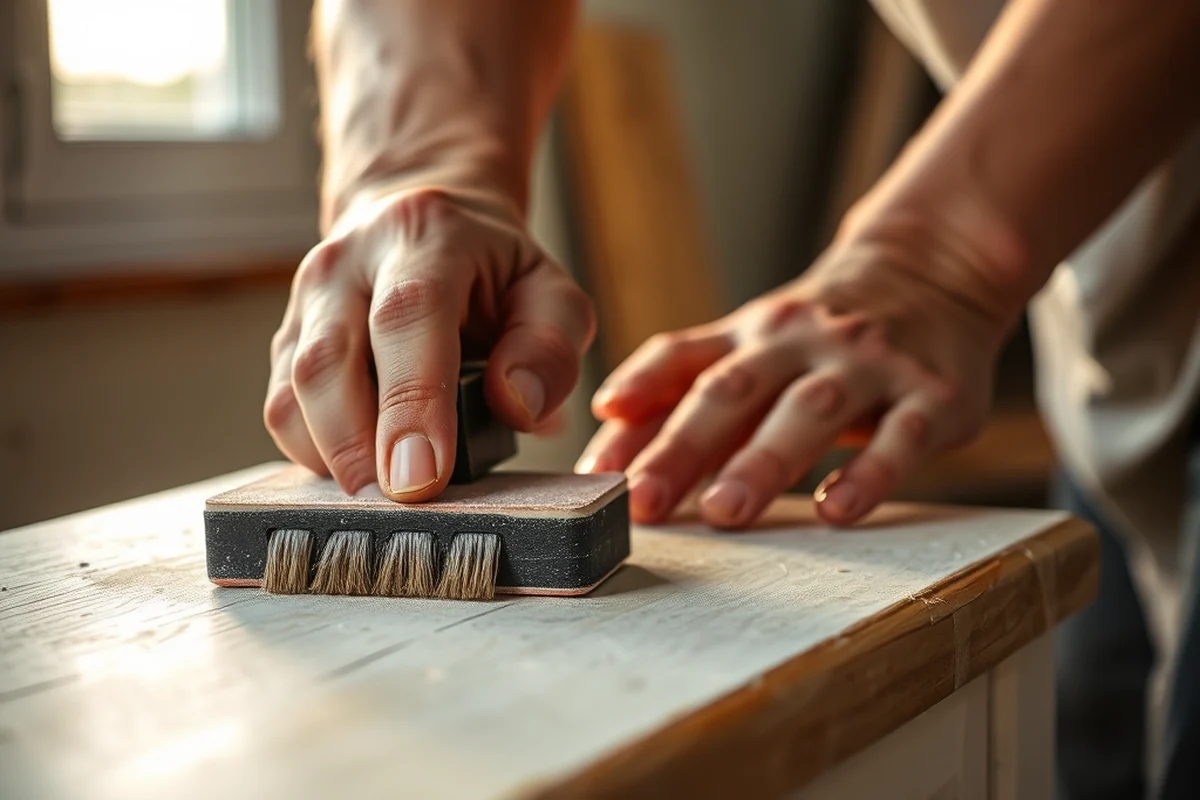
Use is your friend when moving heavy furniture. One of the most effective tools I’ve found is a dolly — a small, wheeled platform that lets you roll furniture across the floor. I’ve used one to move a 200-pound bookcase from one room to another with minimal effort.[1]
Another tool that’s been a game-changer is a furniture strap. I’ve attached these to the corners of large pieces and used them to pull the furniture across the floor, which reduces the need for lifting it entirely. These straps can also be used to guide the furniture into place, ensuring it doesn’t shift or tip during the move.
Even simple tools like a broomstick can be useful. I’ve used one to slide under the legs of a heavy table, then lifted it by pushing the stick forward — this method makes the table feel lighter and easier to maneuver.
The right tools can make moving furniture feel effortless.
Related: Diy furniture lift
Related: What Is The Purpose Of Furniture Polish
Related: How to lift heavy furniture by yourself
Related: How Much Does Custom Furniture Cost
Related: What is the best way to make a paper airplane
Related: Platform Bed With Drawers
Related: What Is Board On Board
The Importance of Planning — What to Do Before You Lift
Before I ever attempt to move a heavy piece of furniture, I always clear the path ahead. This means removing any obstacles, like rugs or small furniture, that could cause the piece to get stuck. I’ve found that even a small pile of books can be enough to trip me up or cause the furniture to tilt unexpectedly.
I also check the height of the furniture and the distance to its destination. If the furniture is too tall or too heavy, I might need to break the move into smaller steps — like moving it in pieces or using a helper for the heaviest parts. This approach has saved me from several near-misses over the years.
Another step I take is to inspect the furniture for any loose parts or sharp edges. If a drawer or shelf is not secured, it could shift during the move and cause the entire piece to become unstable. Taking a few minutes to secure everything beforehand can prevent a lot of headaches later.
Before you lift, clear the path of obstacles and measure the distance — this reduces the risk of accidents and makes the move more efficient.
“I remember the first time I tried to lift a heavy bookshelf by myself — it was a disaster.”— DIY Furniture with Pegboard editors
Lifting Techniques for Different Types of Furniture
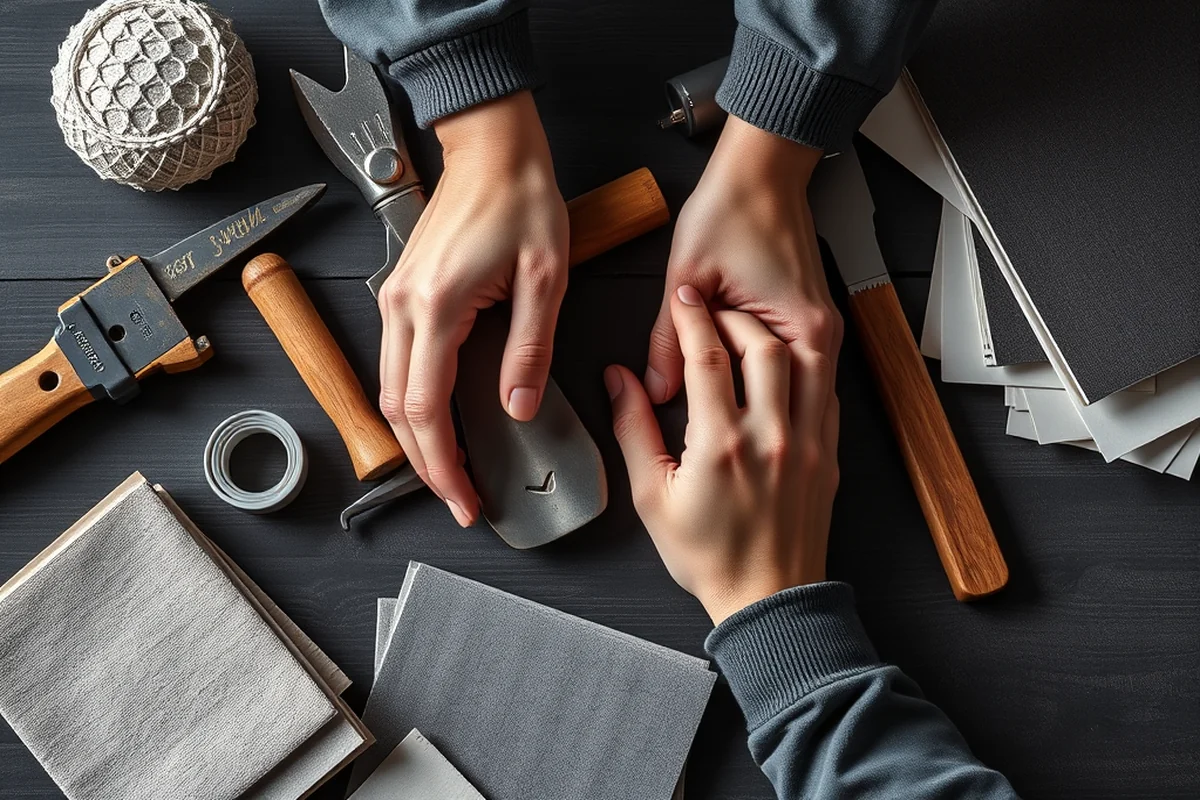
When lifting a heavy table, I always place my hands under the table’s legs, not the top. This gives me better control and keeps the weight closer to my body. I’ve also found that pushing the table forward with my feet — like I’m pushing a shopping cart — helps keep it stable and reduces the need for brute force.
For large bookshelves, I prefer to lift from the sides, using both hands to support the frame. I’ve tested this method with a 300-pound bookcase, and it felt much more manageable than lifting it from the bottom. This technique also helps prevent the shelves from tilting forward and causing injury.
Couches and sofas are the trickiest to move by yourself, but they can be managed with the right tools. I’ve used a dolly to roll them across the floor, and I’ve also used a furniture strap to pull them into place. The key is to keep the couch as low to the ground as possible to maintain balance and control.
The Art of Balance — Keeping Heavy Objects Stable
One of the most important things I’ve learned is to keep the center of gravity low. This means keeping the furniture as close to the ground as possible while moving it. I’ve found that lifting a piece and holding it at waist height makes it much easier to control than lifting it up to shoulder height.
I’ve also discovered that moving furniture in a straight line is crucial. When I’ve tried to take a sharp turn while moving a heavy piece, it often shifts or tips, which can be dangerous. I now make sure to move in a straight path, adjusting my direction only when necessary.
Another technique I use is to keep both hands on the furniture at all times. This gives me maximum control and helps me sense any changes in balance. I’ve used this method to move a 200-pound chair across a room without it ever tipping or shifting — even when I was moving it through a narrow hallway.
When to Ask for Help — Knowing Your Limits
There are times when moving furniture by yourself just isn’t safe — and I’ve learned to recognize those situations. If the furniture is too heavy or the space is too tight, asking for help is the responsible choice. I’ve had a few instances where I tried to move a large armoire on my own and almost got stuck — I had to call a friend to help me out.
I’ve also found that if the furniture is more than 200 pounds or if it’s difficult to maneuver around corners, it’s better to ask for help. Trying to move such heavy pieces by myself has led to several near misses, and I’ve learned to be more cautious about when I attempt to go solo.
Knowing when to ask for help is part of being responsible and safe. I’ve found that even small pieces can become problematic if the space is too cramped or the furniture is awkwardly shaped. In those cases, I always reach out to a friend or family member for assistance.
Sometimes, the best move is the one you don’t make alone.
The Long-Term Benefits of Mastering This Skill
Over time, I’ve noticed that being able to move furniture on my own has made me more confident and self-reliant. I’ve been able to rearrange my home without waiting for a helper, which has saved me time and money. I’ve also noticed that I’ve become more physically fit — the regular practice of moving furniture has improved my strength and endurance.
Another benefit is the ability to tackle more complex DIY projects. When I first started moving furniture by myself, I never imagined I’d be able to lift an entire wall of cabinets or install a heavy countertop. But with practice, I’ve built up the skills and confidence to take on more challenging tasks.
Most importantly, I’ve avoided many of the injuries that come with improper lifting. I’ve managed to keep my back and shoulders in good shape over the years, and I’ve even been able to help friends and family move without risking their own health. It’s a skill that pays off in more ways than one.
💰 Budget Build
Use basic tools and your body to move furniture — no need for expensive equipment.
⏰ Weekend Version
Move furniture quickly and efficiently over the course of one weekend without breaking a sweat.
✨ Upgraded Finish
Use high-quality furniture straps and dolly to move even the heaviest pieces with ease.
🛋️ Small-Space Adaptation
Learn how to move furniture in tight spaces without damaging your walls or floors.
🚪 Rental-Safe Option
Move furniture without damaging rental properties by using protective tools and techniques.
| The mistake | Why it happens | The fix |
|---|---|---|
| Bending at the waist to lift furniture | This puts excessive strain on your lower back and increases the risk of injury. | Use a squat stance instead, keeping your back straight and knees slightly bent. |
| Trying to lift furniture from the top | This makes the furniture unstable and harder to control. | Lift from the sides or underneath, where you have better leverage and control. |
| Ignoring the weight and size of the furniture | This can lead to overexertion and injury, especially with heavier or awkwardly shaped pieces. | Assess the furniture’s weight and size before attempting to move it, and use tools or ask for help if needed. |
| Moving furniture without securing it first | Loose parts can shift during the move, causing the furniture to become unstable. | Secure any loose components and inspect the furniture for potential issues before lifting. |
How To Lift Furniture By Yourself
Common Questions
What should I do if I can’t lift a piece of furniture on my own?
Can I damage my back by lifting furniture improperly?
What tools do I need to lift furniture by myself?
How can I make moving furniture easier in tight spaces?
References
- Home- and Community-Based Services (HCBS) (hhs.iowa.gov)
Cite this guide
DIY Furniture with Pegboard (2026). How To Lift Furniture By Yourself. https://pegbuild.com/how-to-lift-furniture-by-yourself/
Feel free to cite or share this guide.