
What Tools Do You Need For Diy
📖 Table of Contents
I still remember the first time I tried to build a bookshelf from scratch — the mess of tools scattered across the floor, the frustration of not knowing where to start. The eventual joy of seeing the pieces come together. If you're new to DIY, it's easy to feel overwhelmed by the sheer number of tools out there, but the truth is, you don’t need an entire toolbox to get started. What you *do* need, however, is a clear understanding of which tools make the difference between a successful project and a frustrating one. That’s why I’ve compiled this guide to help you identify the essential tools for DIY, no matter what kind of project you're tackling.
The right tools aren't just about convenience — they're about safety, efficiency, and the final result. I’ve spent years working on furniture and home projects. I can tell you from experience that the wrong tool can lead to a crooked shelf, a dented surface, or even a serious injury. On the other hand, the right tools make the process smoother, faster, and more enjoyable. Whether you're building a simple desk or a custom cabinet, having the right tools is the first step to creating something that lasts.[1]
This guide is designed for anyone who’s just starting out in DIY, whether you're building your first shelf or upgrading your workshop. I’ll walk you through the essential tools you need, explain why each one matters, and even share some of the mistakes I’ve made along the way. If you're asking yourself, 'What tools do you need for DIY?', this is the article that will answer that question — and maybe even teach you a few things along the way.
Why You'll Love This Guide
- You’ll know exactly which tools to buy for your first DIY project.
- You’ll avoid expensive mistakes by understanding the right tool for the job.
- You’ll save time and effort by not purchasing unnecessary tools.
- You’ll be able to tackle more complex projects with confidence.
The Essential Tools for Any DIY Project
As of September 2026, the most important tools for any DIY project are a hammer, a tape measure, and a level. These three tools are the foundation of any build, whether you're hanging a picture or assembling a full bookshelf. I’ve ruined more than one project by not using a level, only to realize later that the shelf was crooked and would eventually sag under weight.[2]
A tape measure ensures accuracy, and I’ve learned that even a few millimeters off in the initial measurements can lead to a misaligned shelf or an uneven table. A level, on the other hand, is the simple solution to a problem that could otherwise take hours to fix. I’ve spent more than one afternoon re-measuring and re-leveling just to avoid the headache of a crooked project.
These tools are also the most versatile. A hammer is useful not just for nailing, but also for tapping pieces into place or removing nails. A level can be used for everything from hanging shelves to installing cabinets. And a tape measure is, well, essential in every step of the process. These three tools alone are enough for most basic DIY projects.
Even the most experienced builders use a level to ensure everything is perfectly aligned. I once built an entire desk without a level, only to find it slightly off after the first day. It was a quick fix, but a small oversight.
Choosing the Right Drill for Your Needs
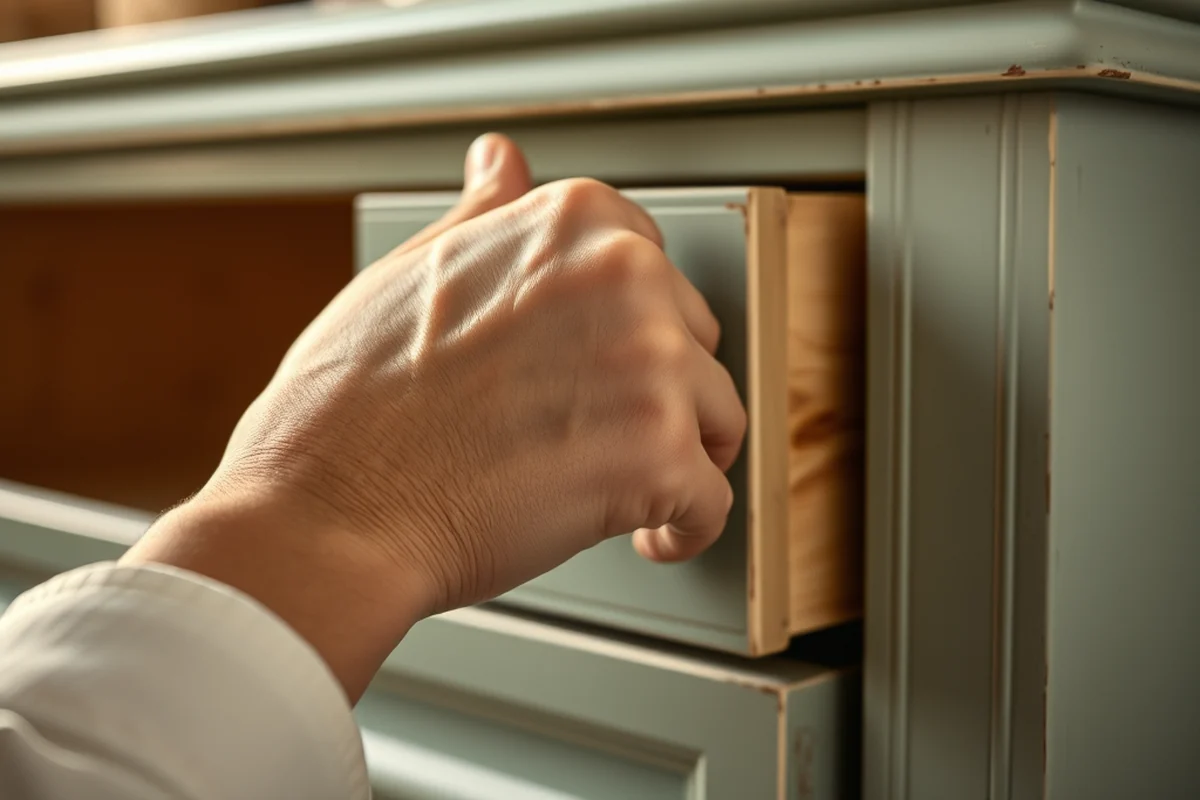
Whether you're building a cabinet or assembling a piece of furniture, a drill is essential. I’ve tried using screwdrivers for everything, but they just don’t cut it for larger projects. A drill not only speeds up the process but also ensures that screws are tightened evenly and securely.
There are two main types of drills: corded and cordless. Corded drills are more powerful and reliable, but they’re not as convenient for moving around. Cordless drills are more portable and ideal for smaller jobs, like assembling a bookshelf or mounting shelves. I prefer a cordless drill because it gives me the freedom to move around without worrying about an extension cord.
Look for a drill with adjustable torque settings — this allows you to control the power applied to the screw, which is especially important when working with delicate materials like wood or drywall. I've stripped out more than one screw by using too much pressure with a drill that didn’t have this feature.
A good drill can change the way you approach DIY projects — and for the better.
Related: What tools do you need to make wood furniture
Related: How to how to make a paper airplane
Related: How to make paper in plane
Related: How to make paper airplane and launcher
The Importance of a Good Saw
There are many types of saws, but for most DIY projects, a hand saw or a power saw like a circular saw or jigsaw will work. I’ve used a hand saw for smaller cuts and a circular saw for larger ones. A hand saw is great for precision work, but it takes longer. A circular saw is much faster, but it requires more skill to use safely.
If you're just starting out, a hand saw is a safe and affordable option. I’ve managed to cut wood without a circular saw on several occasions, and while it took longer, it was definitely doable. However, for larger projects, a circular saw can save you a lot of time.
When choosing a saw, make sure it's the right size for the material you're working with and that it has a good grip. I’ve slipped more than once with a saw that didn’t have a comfortable handle, and it’s not a feeling you want to repeat.
Cutting against the grain can cause splintering and make the cut uneven. I’ve made a few mistakes in that department, but now I always take the time to identify the direction of the grain before making a cut.
“I still remember the first time I tried to build a bookshelf from scratch — the mess of tools scattered across the floor, the frustration…”— DIY Furniture with Pegboard editors
Related: What basic tools do i need for woodworking
The Role of Clamps in DIY Projects
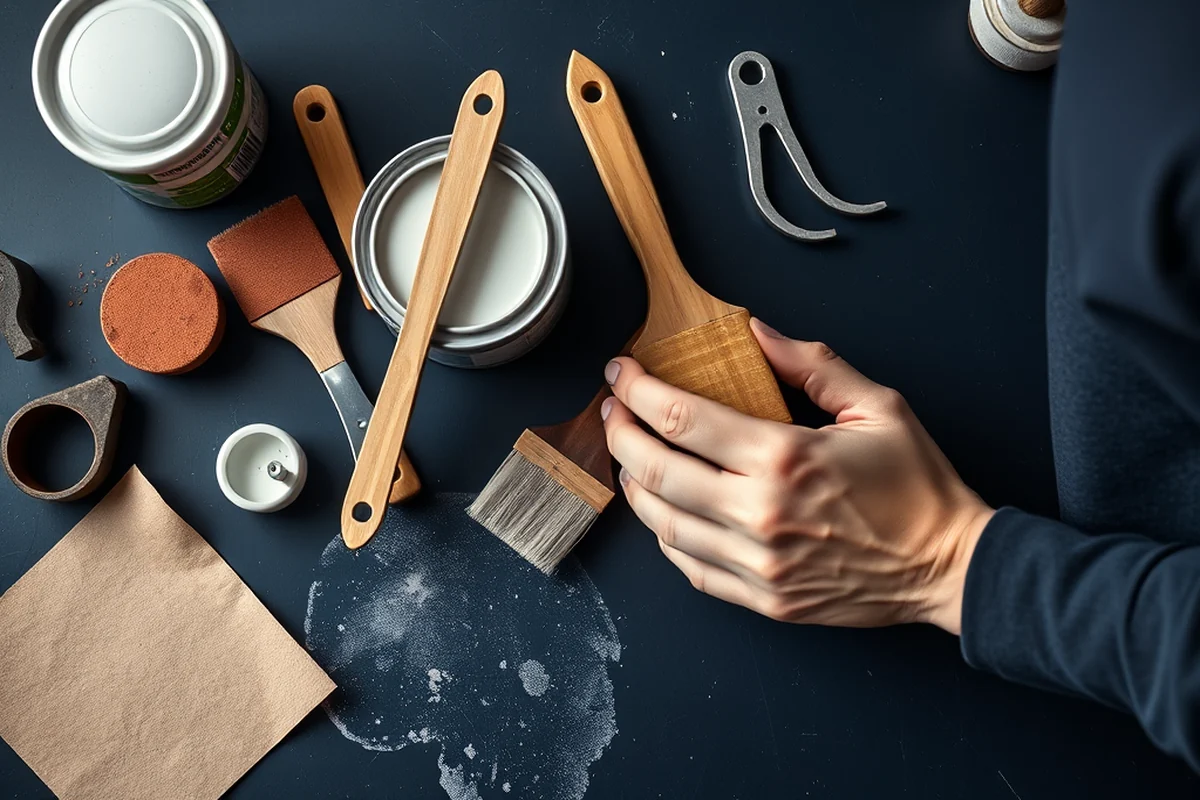
Clamps are used to hold pieces of wood or metal together while you work on them. I’ve tried working without clamps before, and it was a nightmare — the pieces would shift, and I had to constantly adjust them. Clamps keep things in place so you can focus on the task at hand.
There are several types of clamps, including C-clamps, bar clamps, and corner clamps. Each has its own use, but for most DIY projects, a set of bar clamps is a good investment. I’ve used them for everything from assembling tables to building cabinets, and they've always been reliable.
Clamps also help prevent damage to your work. I’ve seen more than one project ruined by not using clamps — pieces of wood that warped or shifted under their own weight. Clamps prevent that by keeping everything securely in place.
The Necessity of a Good Measuring Tool
A tape measure is the most basic measuring tool, but it's also the most important. I’ve made more than one mistake by not measuring carefully enough, and the result was a shelf that didn’t fit or a table that was out of square. A tape measure allows you to get precise measurements, which is crucial for any build.
For more complex projects, a laser level can be useful. It projects a laser line onto a surface, making it easier to align things like shelves or cabinets. I’ve used a laser level on a few projects, and it made the process much faster and more accurate.
In addition to a tape measure, I always carry a set of calipers for more precise measurements. They're especially useful when working with materials like wood or metal that require exact dimensions. I've used them for everything from building furniture to installing custom cabinets, and they've always come in handy.
The Value of a Good Workbench
A good workbench provides a stable surface for your projects and allows you to work more efficiently. I’ve built several pieces of furniture on a basic workbench and was surprised at how much of a difference it made. It’s not just about having a place to work — it's about having a place that’s designed for it.
A workbench should be sturdy and have a flat, even surface. I've used everything from a simple table to a custom-built workbench, and the difference in quality is noticeable. A good workbench can support heavier materials and provide more room for tools and projects.
In addition to being functional, a workbench also helps keep your workspace organized. I’ve found that having a dedicated workbench makes it easier to keep track of tools and materials, which is especially important when working on complex projects.
A good workbench is the unsung hero of every DIY project.
The Benefits of Having a Complete Tool Kit
While it’s possible to start with just a few basic tools, a complete tool kit offers more versatility and can help you avoid the need to borrow tools from others. I’ve found that having a full set of tools makes the process of building furniture much more efficient and enjoyable.
A complete tool kit should include a variety of screwdrivers, wrenches, pliers, and other specialized tools. Each of these tools has its own use, and knowing which one to use can make a big difference in the outcome of your project. I’ve used a set of wrenches more than once for assembling furniture, and they’ve always been useful.
In addition to the basic tools, a complete tool kit can also include specialized tools like a miter saw or a router. These tools are more advanced and are useful for more complex projects, but they can be a valuable addition to any DIY toolkit. I’ve used a router on several projects, and it’s definitely worth the investment.
💰 Budget Build
This variation uses affordable tools like a basic hammer, tape measure, and a hand saw — perfect for beginners on a tight budget.
⏳ Weekend Version
Ideal for those with limited time, this version includes only the most essential tools to get a project done in one weekend.
✨ Upgraded Finish
Adds higher-quality tools like a cordless drill and a circular saw for a more polished and professional result.
🛋️ Small-Space Adaptation
Includes compact tools and storage solutions for those with limited space or who prefer to work in smaller areas.
🏠 Rental-Safe Option
Uses tools that can be rented or borrowed, allowing you to complete a project without a large upfront investment.
| The mistake | Why it happens | The fix |
|---|---|---|
| Using the wrong tool for the job | Using a screwdriver instead of a drill to tighten screws can lead to stripped screws and uneven tightening. | Always use the correct tool for the task. A drill is ideal for driving screws, while a screwdriver is better for removing or adjusting them. |
| Not using a level | Not using a level can result in crooked shelves, uneven cabinets, or unstable furniture. | Always use a level when attaching shelves, cabinets, or any other structure that needs to be perfectly aligned. |
| Cutting against the grain | Cutting against the grain can cause splintering and make the cut uneven. | Always identify the direction of the grain before cutting. Cut with the grain for the smoothest result. |
| Ignoring the importance of clamps | Not using clamps can lead to shifting pieces that are difficult to align and adjust. | Always use clamps to keep your work secure. They help prevent warping, shifting, and misalignment during the build process. |
What Tools Do You Need For Diy
Common Questions
What's the most important tool for a beginner?
Can I do a DIY project without a drill?
What's the best way to cut wood accurately?
How can I keep my tools organized?
References
Cite this guide
DIY Furniture with Pegboard (2026). What Tools Do You Need For Diy. https://pegbuild.com/what-tools-do-you-need-for-diy/
Feel free to cite or share this guide.